Why Oregon Wine

Oregon’s Willamette Valley has quietly become one of the most important wine regions in the world. For Pinot Noir and Chardonnay in particular, it now stands alongside Burgundy as a benchmark, producing complex, terroir-driven wines.
And yet, on the East Coast, Oregon wine remains significantly underrepresented. In Fairfield County, where the appetite for premium wine is strong and the consumer base is well-educated and curious, there’s a gap between what’s available and what the market is ready for. That’s why we started Uncommon Hours.
The Willamette Valley
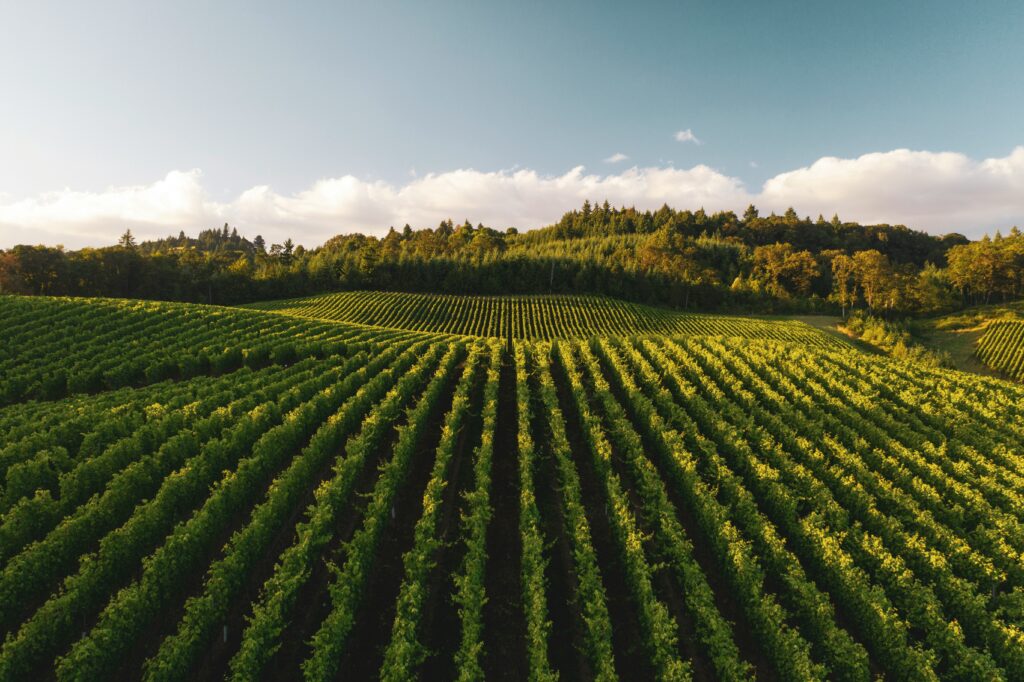
The Willamette Valley AVA runs about 150 miles through northwestern Oregon, from just south of Portland to Eugene. It’s a cool-climate region shaped by ancient volcanic and sedimentary soils and long, temperate growing seasons. The valley’s terroir allows grapes to develop slowly and retain acidity.
Within the region, there are now eleven recognized sub-AVAs – distinct growing areas like the Dundee Hills, Eola-Amity Hills, Ribbon Ridge, and the Chehalem Mountains. Each has its own soil profile, elevation, and microclimate. The diversity of terroir within a relatively compact area is one of the things that makes the valley so compelling.
Most of the producers we work with are farming in these sub-AVAs, and many are on sites with specific soil types – Jory, Willakenzie, Laurelwood – that show up clearly in the finished wines.
Oregon Pinot Noir
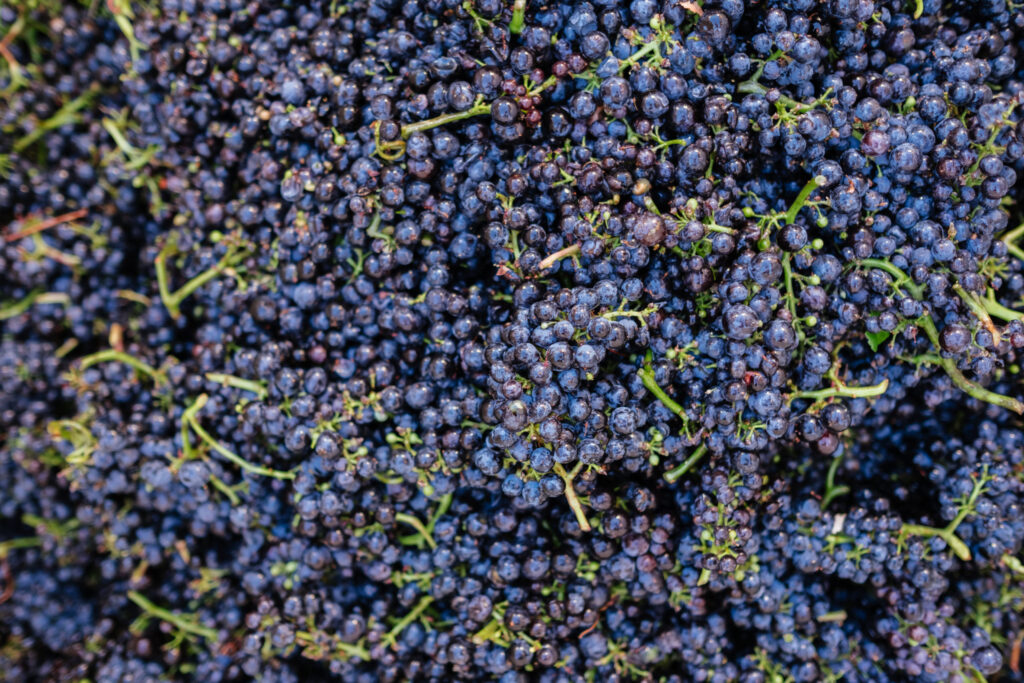
Oregon Pinot Noir is what put the Willamette Valley on the map. The varietal thrives in the region’s cool climate and well-drained volcanic soils, producing wines that tend to be more transparent and site-expressive than Pinot Noir from warmer growing regions.
What you’ll typically find in a well-made Willamette Valley Pinot Noir is bright, pure red fruit, layered with earth, spice, and floral notes that reflect where the grapes were grown. The wines tend to have lower alcohol and lively acidity, making them exceptionally good with food.
This is not heavy, extracted, fruit-forward Pinot Noir. Oregon’s best producers make wines of restraint and nuance, pairing beautifully with dishes found at fine restaurants throughout Fairfield County.
Oregon Chardonnay
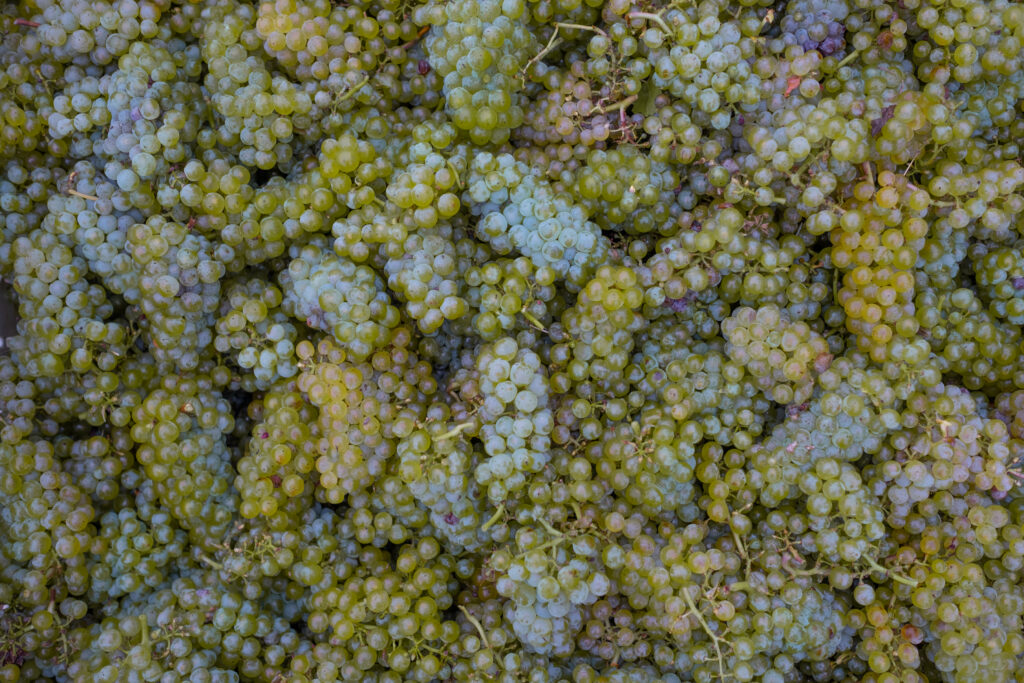
Oregon Chardonnay is the region’s best-kept secret. While Pinot Noir gets most of the attention, Chardonnay grown in the Willamette Valley’s cool climate and diverse soils produces wines of real precision: bright acidity, stone fruit, citrus, and minerality.
Many Oregon producers are making Chardonnay with techniques borrowed from Burgundy, with whole-cluster pressing, native yeast fermentation, and ageing in neutral oak. The result is wines that have texture and complexity without the heaviness that some California Chardonnays carry. For consumers who have moved away from heavily oaked Chardonnay, Oregon offers something surprisingly different.
Small Producers, Authentic Stories
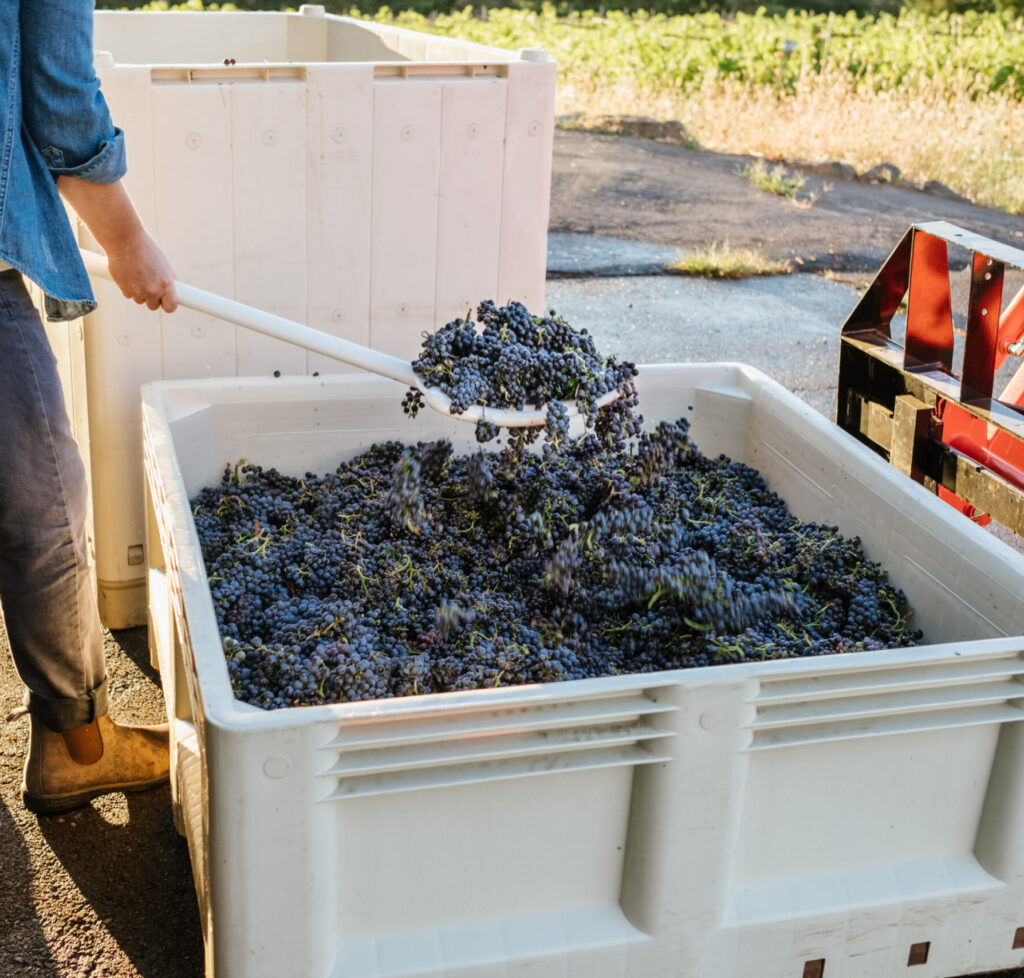
One of the things that sets the Willamette Valley apart is how many of its best wineries are still small and independently operated. These are family-run farms making a few thousand cases a year, often picking by hand, farming sustainably or organically, and making wines with minimal intervention.
Many of these producers have little or no distribution outside of Oregon. They sell through their tasting rooms and wine clubs, to local restaurants, and to a handful of wholesale partners. The quality is there; what’s been missing is a way to get these wines into markets like Connecticut that are ready for them.
That’s the role we play at Uncommon Hours. We know these producers personally. We’ve walked their vineyards, tasted through their entire lineup, and chosen the wines we carry with a lot of intention. When we bring a bottle to a restaurant or wine shop in Fairfield County, we can tell you exactly where it comes from and why it’s in our portfolio.
Why Connecticut, Why Now
Connecticut (and Fairfield County in particular) has the consumer base, the dining culture, and the spending power to support much more high quality Oregon wine than it currently sees. We work in Greenwich, Darien, New Canaan, Westport, towns with some of the highest household incomes in the country. These towns also have sophisticated restaurant scenes and a customer who is interested in quality, provenance, and discovery.
What’s been missing is a focused distributor who knows these wines firsthand and can bring them to market with care. That’s what Uncommon Hours is here to do.